A KyberBot for every employee, and whose memory is whose
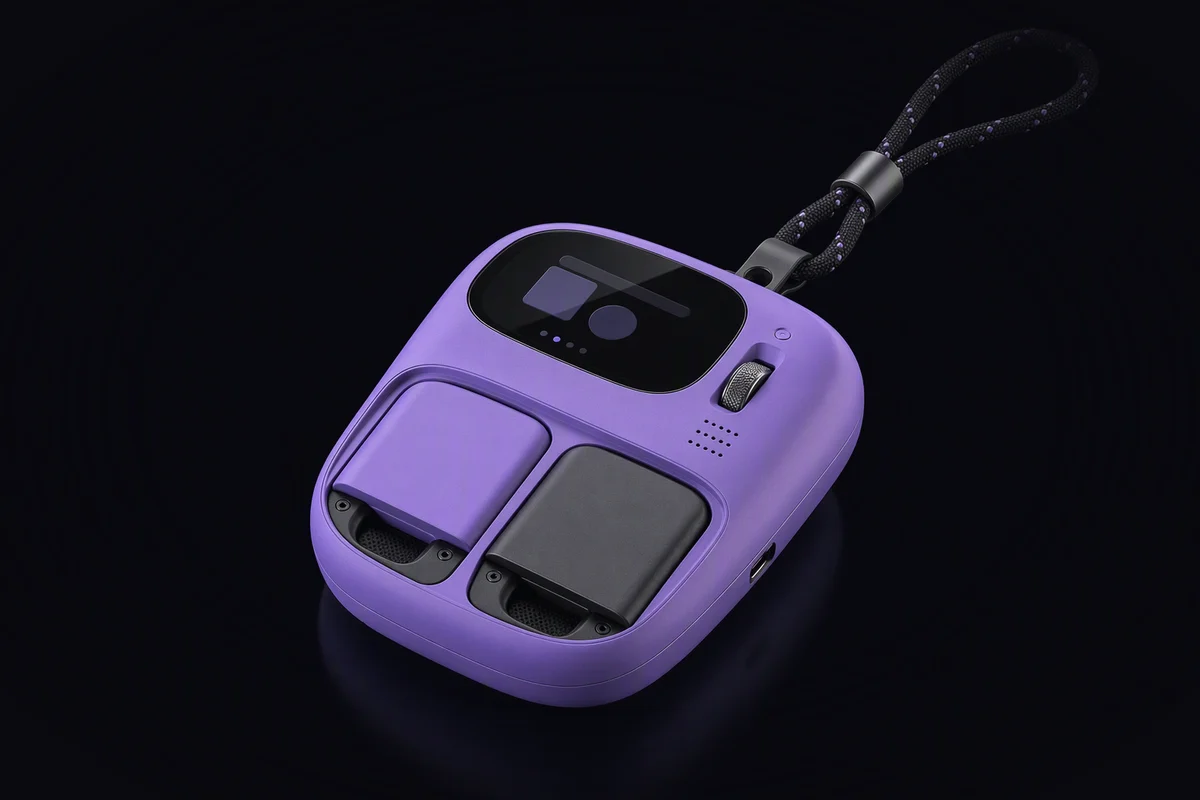
Picture Kasia, who handles customer service at a small workshop that makes kitchen furniture. To keep up, she uses a free chat assistant on her own phone. She pastes in a customer’s email, the quote and the delivery address, and asks for a polite reply about a delayed worktop. It works. Later the same day she asks the same assistant to help her word a message to her doctor.
A year on, Kasia moves to another job. The workshop loses everything she knew about which customers prefer a call to an email, which fitter gets on with which client, and why one order was discounted. Meanwhile a vendor’s server still holds a year of the workshop’s quotes and customers, in Kasia’s private account, next to her questions about her health. Nobody did anything wrong, and both sides lost.
The real cause: two memories in one place
An assistant that is useful at work has to remember two kinds of things. One kind belongs to the company: customers, orders, prices, the way the workshop does things. The other belongs to the person: their notes, their reminders, how they like to work, the things they would tell an assistant but not their manager.
Today’s tools give you one memory and one owner. A personal assistant puts the company’s data into the employee’s account, on someone else’s servers. A company assistant puts the employee’s working life into a log the employer can read. Either way, one side owns what belongs to the other. What it means for an assistant to know you best starts from the same point for one person: knowing you is a memory you can read, correct and delete, kept where you hold the keys.
Where workplace assistants go wrong
Company data in a private account. Quotes, addresses and price lists pasted into a personal assistant leave the company with no record that they did. The company cannot get them back, and cannot delete them.
Private life in a company log. An assistant the employer can read in full is an assistant people stop being honest with, or stop using. Either way the company pays for a tool nobody trusts.
Memory that walks out of the door. What an employee learned about customers lives in their head and their private tools. When they leave, the company starts from zero.
One shared bot with every key. The alternative some firms try is a single assistant for everyone, logged in as an administrator. It knows everything, so anyone can ask it anything, salaries included.
No record of who asked for what. When a shared tool sends the wrong price to a customer, nobody can say who asked, on what basis, and which rule should have stopped it.
Two memories, kept apart
In KYBERIOS every employee gets their own KyberBot at work, the same assistant described on kyberbot.com, with one addition: it holds two memories with two owners.
The company memory belongs to the company. Customers, orders, prices, documents and the way things are done live in the company’s data model, on the company’s server. Each employee’s KyberBot sees the part their role allows, under a policy the company writes. When someone leaves, the company memory stays, including the notes they made about customers.
The private memory belongs to the employee. Their own notes, reminders, preferences and anything they tell the assistant about themselves are encrypted under keys the employee holds. The company cannot read them, and neither can we. When they leave, it goes with them as an export in an open format.
The boundary is in the system, not in a promise. What crosses from one memory to the other is decided by a rule both sides can read. A customer’s preference for phone calls, noted during work, goes into the company memory; a note about a dentist appointment does not.
One identity per person. Each KyberBot acts under its owner’s identity, which a KyberDeck Card on a lanyard can carry around the building. When it hands work to a KyberAgent swarm, the swarm works within that person’s permissions and no wider.
Every action on the record. Who asked, which rule allowed it, what the agents did. Anything sensitive, such as a discount above a limit, a payment or a message to a customer, waits for a yes from the person who owns that decision.
No second customer. The company’s data is not sold, rented or used to profile anyone, for the reasons set out in your data is not the product.
None of this settles what the law in your country allows an employer to see; that question stays with you and your adviser. It does make the answer enforceable once you have it. Nothing is released yet, and the KYBERIOS homepage says where the work stands.
A test you can run today
Ask three colleagues, one at a time, a single question: “Which tool outside our company systems has had customer or price information pasted into it in the last month?” Then, for each tool named, answer four questions:
- Whose account is it, the company’s or the person’s?
- If that person left tomorrow, could the company get its data back, or delete it?
- Could the company read what the person asked about their own life?
- Is there a record of what was sent, and under which rule?
If the answers come out as “the person’s, no, possibly, no”, your company memory and your people’s private memory are already mixed, just not in a place you control.
- KyberBot
- memory
- employees
- data ownership